
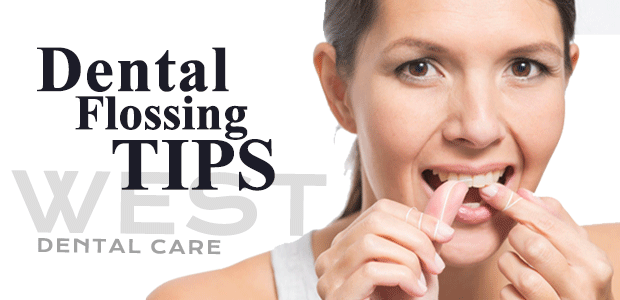
 Dental Flossing Mastering Instruction
With all of the wonders of modern man available to you there is no better way to clean the sides of your teeth than DENTAL FLOSS; inexpensive, readily available and easy to use. A modern wonder, maybe not. But it is and has always been an excellent tool in the fight against dental decay and periodontal disease. There are many types of dental flossing tools and techniques available in your local drugstore. We recommend waxed flosses, and Glide.
Contact West LA Dental Care Now!
 Why Us?
At West LA Dental Care, we go great lengths to provide quality. In our Dental Health Blog, we are posting weekly helpful tips for maintaining and keeping your oral and dental health, we also post about common issues and problems one may have in his life to keep his beautiful smile. You will find information about West LA Dental Care practice philosophy, the dentists, Santa Monica office location, insurance policies, and appointment scheduling procedures.
How To Find Us!What We Have to Care About?
How to Master Your Dental Flossing
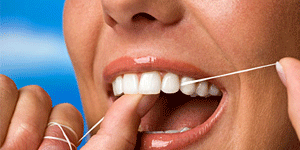
You should floss under both sides of each flap of gum tissue between your teeth. The following dental flossing technique has proven to be very effective: break off about 18 inches of floss and wind a good bit of it around one of your middle fingers. Wind the rest around the middle finger of the other hand. Grasp the floss with the thumb and forefinger of each hand, leaving about an inch of floss between the two hands to work with.
Dental Flossing Image2Pull the floss taut and use a gentle sawing motion to insert it between the two teeth. During dental flossing, when the floss reaches the tip of the triangular gum flap, curve the floss into a C shape against one of the teeth. Then slide the floss gently into the space between the tooth and the gum until you feel resistance. Holding the floss tightly against the tooth, scrape up and down five or six times along the side of the tooth. Without removing the floss, curve it around the adjacent tooth and scrape that one too. Repeat on the rest of your teeth. Don’t forget the far sides of your back teeth. When the floss becomes frayed or soiled, a turn of each middle finger brings out a fresh section of floss. After dental flossing rinse vigorously with water.
Dental Flossing Problems
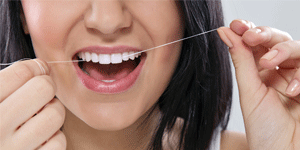
If you don’t’ like manipulating dental flossing, try one of the commercial floss holders. They have limited flexibility, however, and you must use them with care to avoid injuring the gum. You may have trouble working with the dental flossing tool between certain teeth, or the floss may consistently break or tear in certain teeth, or the floss may consistently break or tear in certain areas. Several causes are possible, including calculus buildup, or improperly installed fillings. Please let us know if this problem occurs. Flossing between bridges requires additional instruction and the use of floss threaders. Alternatives to floss include such things as Stimudents, Perio-Aids or Plac-Piks. Please discuss these dental flossing tools with us before using them. None of these are as good as floss in tight areas between teeth.
Should you floss before or after brushing?
When you were a kid, you were probably reminded by your parents, or at least your dentist, to floss your teeth once a day in addition to the standard twice-daily brushing. This is because they knew that flossing is just as important as brushing for the health of your mouth. In fact, without flossing, you're leaving behind a lot of harmful bacteria that your toothbrush simply cannot reach. Floss gets to places your toothbrush can't, removing small bits of food trapped in between your teeth and gums.
If you don't get all this food out, it forms bacteria. Those bacteria will eventually turn into plaque, which yields to tartar and eventually some form of gum disease. At first, your gums might become sore, swell or bleed when you brush. After some time, this can lead to gingivitis and then periodontitis, also known as advanced gum disease.
Whether or not you floss in the morning or evening is up to you. Some people prefer bedtime so their mouth is nice and clean before they hit the hay for a good night's snooze. The official American Dental Association's (ADA) stance is that it doesn't really matter if you floss before or after you brush. However, flossing before you brush can clean out the spaces between your teeth and allow for more coverage and penetration by the fluoride in your toothpaste.
Adapted from Getting Your Kids To Brush, www.howstuffworks.com
What Else Do You Want?

West LA Dental Care
Dentistry in West Los Angeles and Santa MonicaWest LA Dental is something of a rarity among Los Angeles Dentists in that our practice has managed to grow each and every year, adding more and more new services we can offer to our patients, but without sacrificing either our founding commitment to excellence or our devotion to one to one more..
Dr. Afshin Golyad DDS
Preventative Dentistry and Cosmetic Care
Payment and Financing Options
Project ManagerWe accept checks, cash, VISA or MC, and CareCredit®. CareCredit® is available for a financing option, CareCredit® is specifically designed to finance medical procedures, particularly those not usually covered by insurance. You can apply for CareCredit® here.